
Monitoring Water Quality in Lakes in Northern New Jersey, New York, Vermont & Ontario
This page provides a comprehensive overview of
lake water quality monitoring and mapping tailored specifically for lake managers, associations, and owners in Northern New Jersey, New York, Vermont, and Southern Ontario. Lake managers regularly assess and measure water quality parameters to ensure environmental health and compliance. Monitoring water quality in lakes across these regions is essential for protecting lake health, supporting recreational activities, ensuring compliance with regional environmental regulations, and maintaining the value of lakes as habitats for local wildlife. Regular testing and maintenance are necessary to safeguard these vital resources for both people and nature in these diverse and ecologically rich areas.
Introduction to Lake Water Quality
Lake water quality in Northern New Jersey, New York, Vermont, and Ontario encompasses the physical, chemical, and biological characteristics that determine how suitable a lake is for activities like swimming, fishing, and as a source of drinking water. Key water quality parameters—such as water clarity, dissolved oxygen levels, and nutrient pollution—play a vital role in assessing the overall health of lakes in these regions. Accurate measurement of these parameters is essential for reliable water quality monitoring. These parameters help determine whether a lake can support robust aquatic life and meet established water quality standards set by organizations such as the New Jersey Department of Environmental Protection (NJDEP), New York State Department of Environmental Conservation (NYSDEC), Vermont Department of Environmental Conservation, and Ontario’s Ministry of the Environment, Conservation and Parks. Light penetration is also important, as it affects photosynthesis in aquatic plants and algae, influencing oxygen production and the overall health of the lake ecosystem. Each inland lake, from the glacially formed lakes of Vermont and New York to the diverse waterbodies of Ontario and Northern New Jersey, presents unique challenges and requires tailored water quality monitoring and management strategies. By regularly monitoring these factors, we can better understand the health of a given lake and ensure it remains a safe and enjoyable resource for all. Nutrients like phosphorus and nitrogen are critical for assessing eutrophication in lakes.


Importance of Water Quality Monitoring
Consistent water quality monitoring is essential for safeguarding the health of lakes and ponds throughout Northern New Jersey, New York, Vermont, and Ontario, as well as protecting public health and supporting recreational activities that are vital to local communities. Testing and maintaining the water quality of lakes must be done on a regular basis to protect their ecological health and value as habitats for native wildlife species common to these regions.
Key Parameters Tracked
By tracking water quality parameters such as:
- pH
- Specific conductivity
- Total phosphorus
lake managers in these areas can quickly identify emerging issues and take action to prevent problems like harmful algal blooms, which can be particularly problematic during the warm summer months.
Role of Regional Agencies
Agencies such as the New Jersey Department of Environmental Protection (NJDEP), New York State Department of Environmental Conservation (NYSDEC), Vermont Department of Environmental Conservation, and Ontario’s Ministry of the Environment, Conservation and Parks rely on accurate water quality data to develop effective management plans that address both immediate concerns and long-term sustainability. These agencies assess water quality data through professional assessments, which can reveal the root cause of recurring water quality problems and support informed decision-making for water management. This data-driven approach not only helps maintain compliance with regional environmental regulations but also supports informed decision-making for environmental protection, community recreation, and local economic development.
Factors Affecting Water Quality in These Regions
A variety of factors can influence lake water quality across Northern New Jersey, New York, Vermont, and Ontario, ranging from natural processes to human activities. Rivers contribute to lake formation through processes like erosion and sediment deposition, while groundwater can accumulate in geological depressions, influencing both the quantity and quality of lake water.
Nutrient Pollution
Nutrient pollution—often stemming from agricultural runoff, septic systems, and urban stormwater runoff—introduces excess nutrients like phosphorus and nitrogen, which contribute to eutrophication in lakes. Eutrophication leads to algal blooms that deplete oxygen and create dead zones, threatening aquatic life and diminishing water quality.
Turbidity and Sediment
High turbidity caused by suspended sediments and dense algae can limit sunlight penetration, affecting aquatic plants and overall ecosystem health. High turbidity reduces light penetration, which negatively impacts plant growth and can compromise overall lake health. This is especially important in lakes with high recreational use or sensitive aquatic habitats.
Climate Change Impacts
Water temperature changes, altered precipitation patterns, and shifts in seasonal cycles due to climate change are increasingly impacting water quality in lakes throughout these regions. These changes can exacerbate issues like harmful algal blooms and reduce dissolved oxygen levels, posing challenges for lake management.
Unique Regional Lake Characteristics
Lakes in Northern New Jersey, New York, Vermont, and Ontario each have unique physical, chemical, and biological characteristics that influence water quality. Some lakes are formed in geological depressions where groundwater accumulates, such as tectonic lakes. For example, glacial lakes common in Vermont and New York often have cold, clear waters with distinct stratification patterns, whereas lakes in Northern New Jersey may experience more urban and suburban runoff impacts. Rivers can also create lakes through processes like erosion, sediment deposition, and natural damming events. Ontario’s lakes vary widely, from shallow, nutrient-rich lakes to deep, oligotrophic lakes with pristine water quality. Understanding these regional traits is essential for designing effective water quality monitoring programs and management strategies tailored to local conditions.
Limnological Concerns in Northern Lakes
Northern lakes in regions like New Jersey, New York, Vermont, and Ontario present unique limnological challenges due to their depth, colder temperatures, and seasonal stratification. These characteristics can lead to the development of “dead zones”—areas with critically low dissolved oxygen levels—especially in deeper lakes where water layers do not mix during the summer. Such anoxic conditions threaten aquatic life, including fish and other organisms that depend on sufficient oxygen levels for survival. The Environmental Protection Agency (EPA) and regional authorities have established water quality standards to safeguard these ecosystems, emphasizing the importance of monitoring key water quality parameters such as dissolved oxygen, nutrient pollution, and algae growth. Excessive nutrient inputs can fuel algae blooms, which further deplete oxygen and disrupt the balance of aquatic life. Additionally, climate change is altering water temperature and precipitation patterns, making these lakes even more susceptible to shifts in oxygen dynamics and overall health. Regular monitoring and adaptive management are essential to protect the complex ecosystems of northern lakes and ensure they continue to support diverse aquatic organisms.
Lake Ecosystems and Water Quality
Lake ecosystems are intricate networks where water quality directly influences the health and sustainability of aquatic life. Aquatic plants and algae form the foundation of the food web, providing essential habitat and nourishment for fish and other organisms. However, when nutrient levels—particularly phosphorus—become too high, they can trigger excessive algae growth and harmful algal blooms. These blooms not only threaten aquatic life but can also pose risks to human health and recreational activities. Agencies such as the Michigan Department of Environment, Great Lakes, and Energy (EGLE) have implemented robust water quality monitoring programs across the Great Lakes and inland lakes, including Lake Erie, to track critical parameters like pH, specific conductivity, and total phosphorus. By assessing these water quality parameters, scientists and lake managers can identify areas at risk for algal blooms and take proactive steps to protect the lake’s habitat and overall health. For example, ongoing monitoring in Lake Erie has pinpointed regions with high phosphorus concentrations, enabling targeted management to reduce nutrient pollution and safeguard both aquatic life and the broader environment.
Modern Technologies and Methods for Regional Lake Water Quality Monitoring
Key technologies for lake water quality monitoring in these regions include:
- Buoy-based solar-powered multi-parameter sensors providing real-time, in-situ measurements of water chemistry and physical parameters.
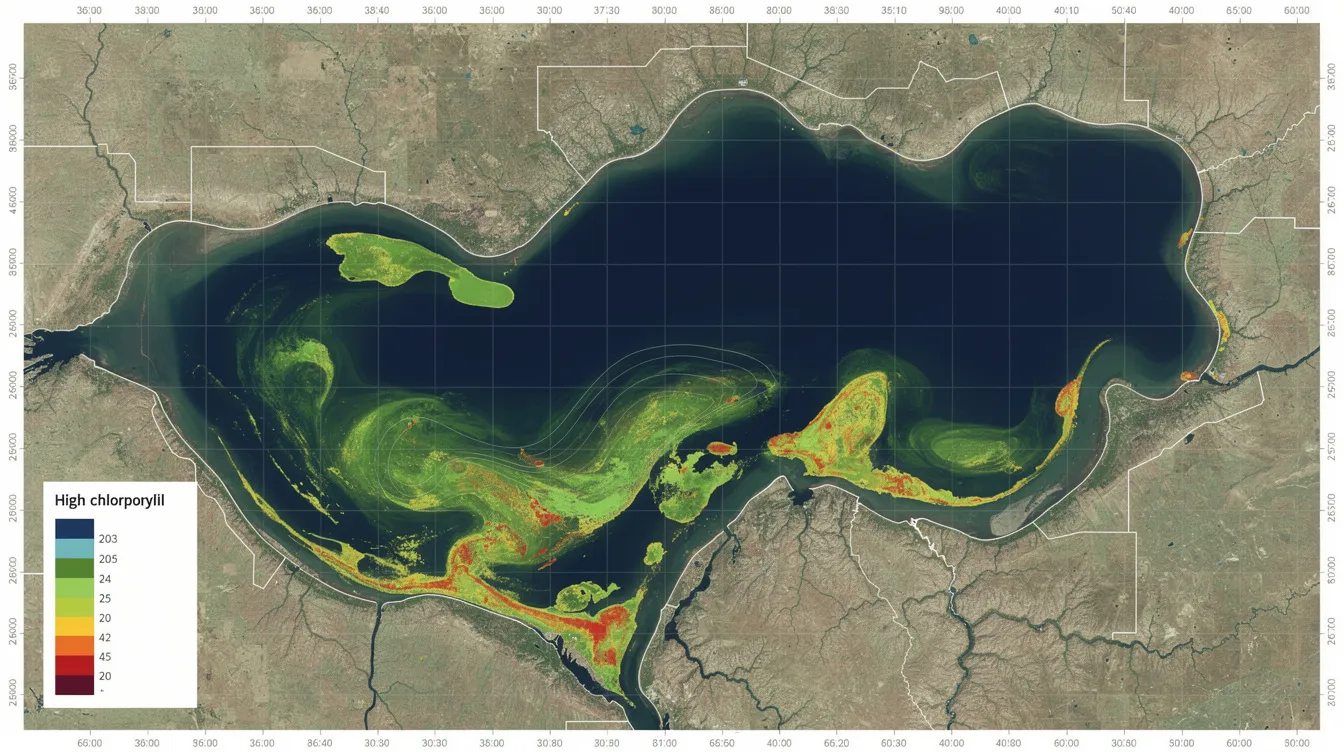
NASA has developed the Satellite-based Tool for Rapid Evaluation of Aquatic Environments (STREAM) for monitoring water quality. STREAM uses Landsat 8/9 and Sentinel-2 data to map water transparency and chlorophyll levels, providing near real-time maps of chlorophyll-a concentration, Secchi disk depth, and total suspended solids. Remote sensing with STREAM offers a cost-effective way to assess water quality in thousands of lakes and on coastal waters. An open-source machine learning model is available to estimate water quality parameters for any inland or coastal water body worldwide. Accurate measurement and assessment of water quality parameters using these advanced technologies are essential for effective lake management.
- Satellite remote sensing and drone imagery enabling large-scale and high-resolution monitoring of water quality indicators such as algal blooms and turbidity.
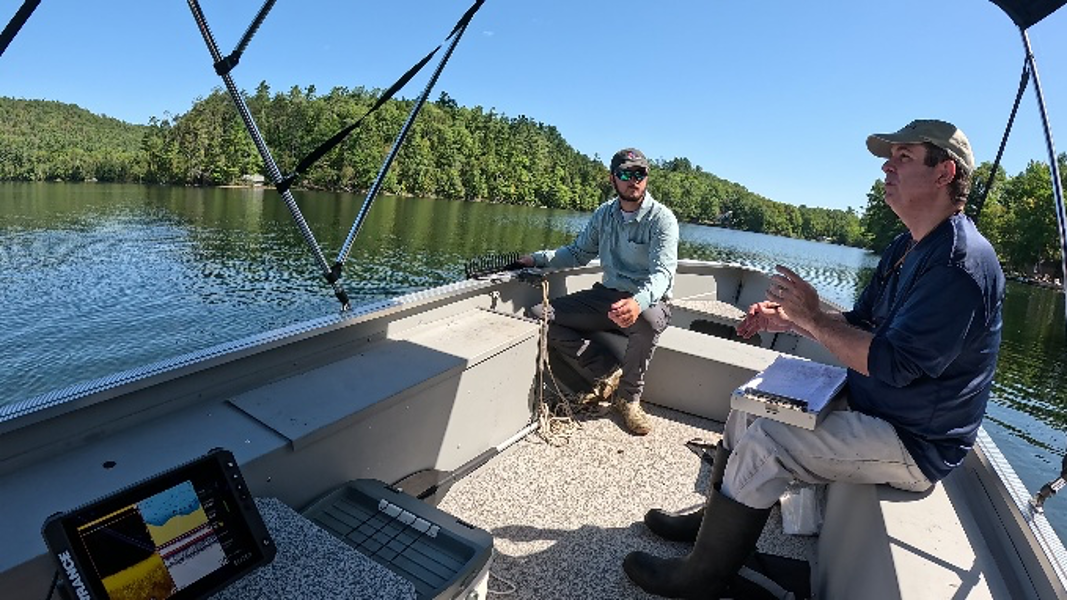
Data buoys provide a stable platform for temperature profiling and can house multiple sensors at different depths in the water column, offering continuous, real-time data on parameters like temperature, pH, and dissolved oxygen. Advanced sensors deployed directly in water provide real-time, 24/7 data, capturing short-lived events and supporting aeration system design and installation that improves circulation and oxygenation. Real-time monitoring systems enable lake management professionals to address potential water quality issues before they develop into larger problems and to stay abreast of constantly changing water quality. Real-time data can be transmitted to the Internet for access from any computer. Buoy-based systems offer a comprehensive and cost-effective solution for lake monitoring.
- IoT-based AI systems and analytics that integrate data from sensors and remote sources to provide advanced insights and predictive modeling.
Modern lake water quality monitoring in Northern New Jersey, New York, Vermont, and Ontario integrates in-situ sensors, satellite remote sensing, and AI-driven analytics. The best methods for monitoring lake water quality combine real-time sensor technology with satellite imagery and manual sampling, ensuring comprehensive and accurate assessments tailored to the diverse needs of these regions.
Water Quality Monitoring Frequency and Duration
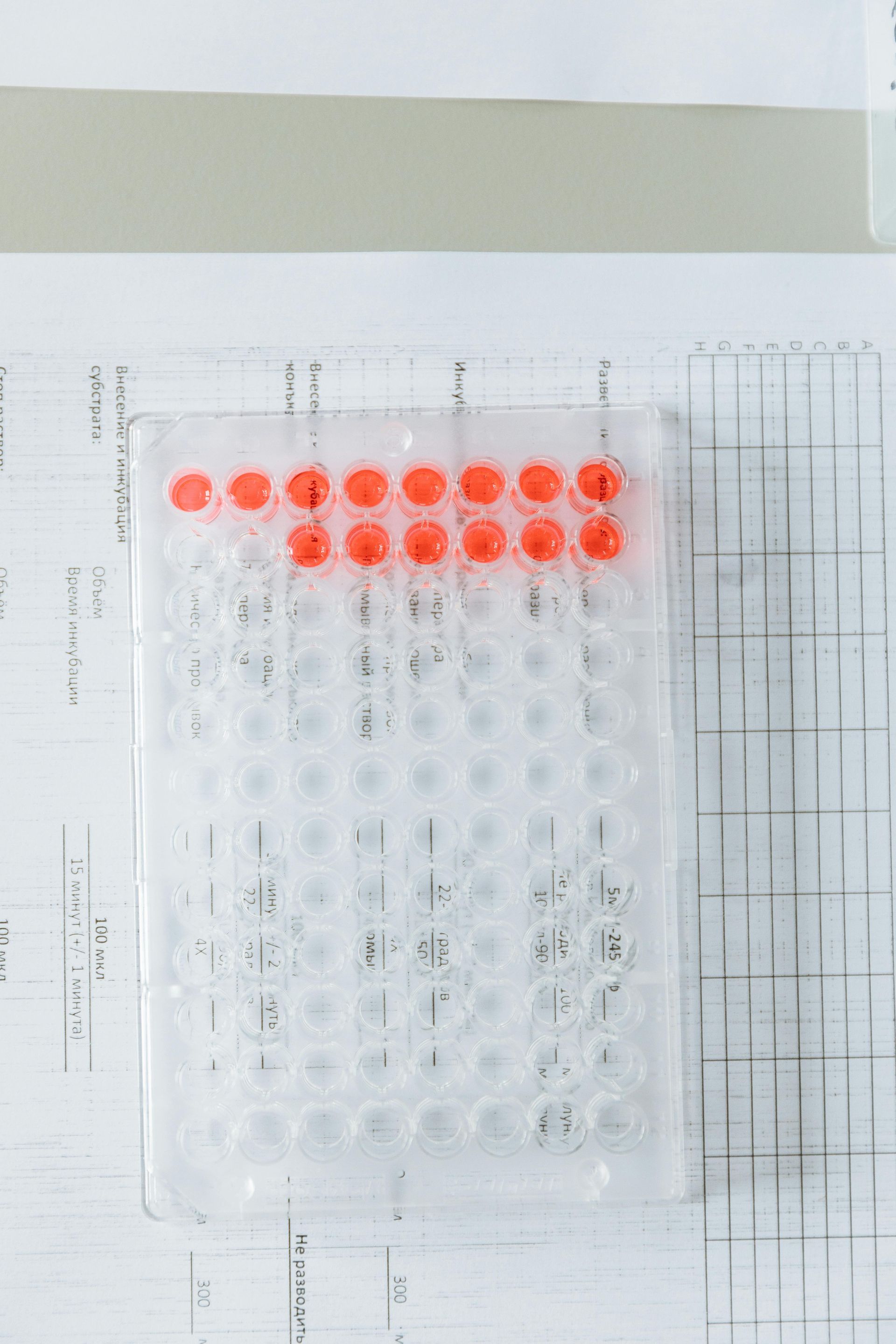
Determining how often and how long to monitor water quality in lakes and ponds depends on several factors, including the intended use of the waterbody, the level of human activity, and the specific water quality conditions present. Lakes that support frequent recreational activities such as swimming and boating, or those known to experience high levels of nutrient pollution, typically require more frequent monitoring to protect public health and ensure safe conditions. Monitoring programs may range from short-term studies focused on a particular issue to long-term initiatives that track changes in water quality over multiple years. The Environmental Protection Agency (EPA) and other organizations provide guidelines on sampling frequency and duration to ensure that collected data are robust and actionable. Advances in technology now allow for real-time water quality monitoring, enabling lake managers to quickly detect and respond to emerging issues. By tailoring monitoring schedules to the unique needs and risk factors of each lake, stakeholders can maintain high water quality standards and support the ongoing health of these vital natural resources.
Data Analysis and Interpretation in Lake Monitoring
The process of analyzing and interpreting water quality data is crucial for transforming raw measurements into meaningful insights that guide lake management decisions. Water quality data often include a range of parameters—such as dissolved oxygen levels, nutrient pollution, algae growth, water temperature, pH, and specific conductivity—that must be evaluated together to understand the overall health of a lake. Advanced statistical models and analytical tools help identify patterns, trends, and potential causes of water quality changes, while data visualization techniques like graphs and maps make complex information accessible to stakeholders and the public. For example, interpreting a drop in dissolved oxygen levels alongside a spike in algae growth and rising water temperatures can indicate the onset of an algal bloom and potential stress on aquatic life. The EPA and other agencies have established protocols for quality control and assurance to ensure that water quality data are accurate and reliable. Effective data analysis not only supports informed decision-making but also helps communicate the importance of ongoing monitoring and adaptive management to protect lake ecosystems.
Regional Challenges and Initiatives
Lakes in Northern New Jersey, New York, Vermont, and Ontario face challenges such as nutrient pollution, invasive species control, and climate change impacts. Pollutants can disrupt the food chain by impacting foundational organisms like algae and phytoplankton, which support higher trophic levels in lake ecosystems. Regional initiatives, including New Jersey’s Watershed Management Programs, New York’s Lake and River Protection efforts, Vermont’s Clean Water Act implementation, and Ontario’s Lake Partner Program, work collaboratively to address these challenges. By recognizing the complexity of these ecosystems and implementing targeted water quality monitoring and management strategies, local communities can help preserve the health and sustainability of lakes and ponds for future generations.
Seasonal Changes and Their Effects in the Region
Lakes in these northern temperate regions experience significant seasonal changes:
- Spring: Increased runoff from snowmelt and spring rains introduces nutrients and sediments, affecting water quality and turbidity.
- Summer: Warm temperatures enhance photosynthesis in aquatic plants and algae, but excessive nutrients can trigger eutrophication and harmful algal blooms, leading to oxygen depletion and dead zones.
- Winter: Ice cover limits oxygen exchange, sometimes resulting in winter kill events that impact fish and other aquatic organisms.
Effective monitoring in these regions requires attention to seasonal variations and diverse lake locations, such as surface waters and deeper layers.
Case Studies and Examples from the Region
Real-world examples from across the region highlight the critical role of water quality monitoring and management in preserving lake and pond ecosystems. Crater Lake, known for its depth and clarity, serves as a prime example of how sensitive deep lakes can be to changes in water quality, particularly in the face of climate change. Monitoring efforts there have revealed how shifts in temperature and precipitation can disrupt the lake’s delicate ecological balance. In contrast, many inland lakes in Michigan and Wisconsin are shallower and more susceptible to nutrient pollution, leading to frequent algae growth and harmful algal blooms. Targeted monitoring and management in these lakes have focused on reducing phosphorus inputs to prevent the formation of dead zones and protect aquatic habitats. The Great Lakes region as a whole has benefited from extensive water quality monitoring, which has identified areas with high levels of pollution and habitat loss, guiding restoration projects and policy initiatives. These case studies underscore the importance of sustained investment in water quality monitoring to maintain the health, habitat, and recreational value of lakes and ponds throughout Northern New Jersey, New York, Vermont, Ontario, and beyond.
Ready Scout’s Water Quality Monitoring and Mapping Services for Northern New Jersey, New York, Vermont & Ontario
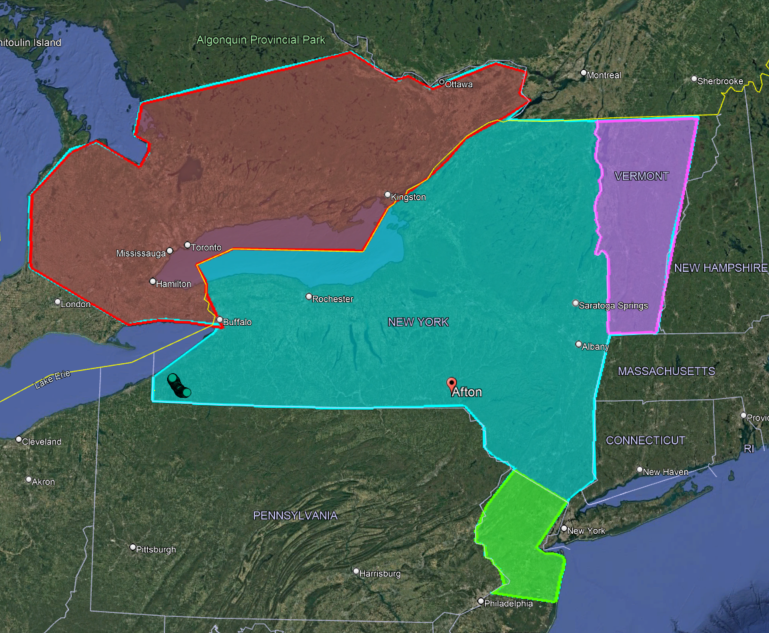
Ready Scout offers customized professional lake consulting and management services and comprehensive environmental measurements tailored to lakes and ponds in northern New Jersey and upstate New York, as well as Vermont and Southern Ontario. Using a combination of in situ measurements, advanced environmental testing, and cutting-edge tools like SePRO Water Quality Analysis programs, Ready Scout provides detailed assessments of nutrient levels, water chemistry parameters, and aquatic plant populations. Their customized monitoring plans help lake associations and pond owners understand the health of their waterbodies, identify emerging issues such as harmful algal blooms, and evaluate the effectiveness of management activities.
With a focus on regulatory compliance and sustainable lake management, Ready Scout supports clients through detailed water quality data collection, bathymetric mapping, and aquatic ecosystem analysis. Their professional lake consulting and management firm is led by a Certified Lake Manager whose background and philosophy are described in detail on the company overview and founder profile. Their professional team offers ongoing monitoring programs designed to detect seasonal and spatial variations in water quality, ensuring timely intervention and informed decision-making, and provides specialized lake community self‑sufficiency consulting to help neighborhoods prepare for disruptions. Ready Scout also maintains transparent access to aquatic management product label information, supporting safe and compliant treatment choices. By partnering with Ready Scout, lake communities in Northern New Jersey, New York, Vermont, and Ontario gain access to expert guidance, reliable data, and practical solutions that promote the long-term health, recreational value, and ecological balance of their lakes and ponds while benefiting from the stewardship of their experienced principal lake manager.